
Mining Bitcoin in my hallway — and the home automation that decides when to do it
A 21energy Ofen 2 sits in my hallway — heating the air and hashing Bitcoin. This is the Home Assistant logic that decides when, why, and at what tier.
A 21energy Ofen 2 sits in my hallway — heating the air and hashing Bitcoin. This is the Home Assistant logic that decides when, why, and at what tier.

A workflow layer for solo Claude Code that sits on top of the externalized context architecture. Four slash commands, one knowledge file, and a session protocol that keeps discipli...
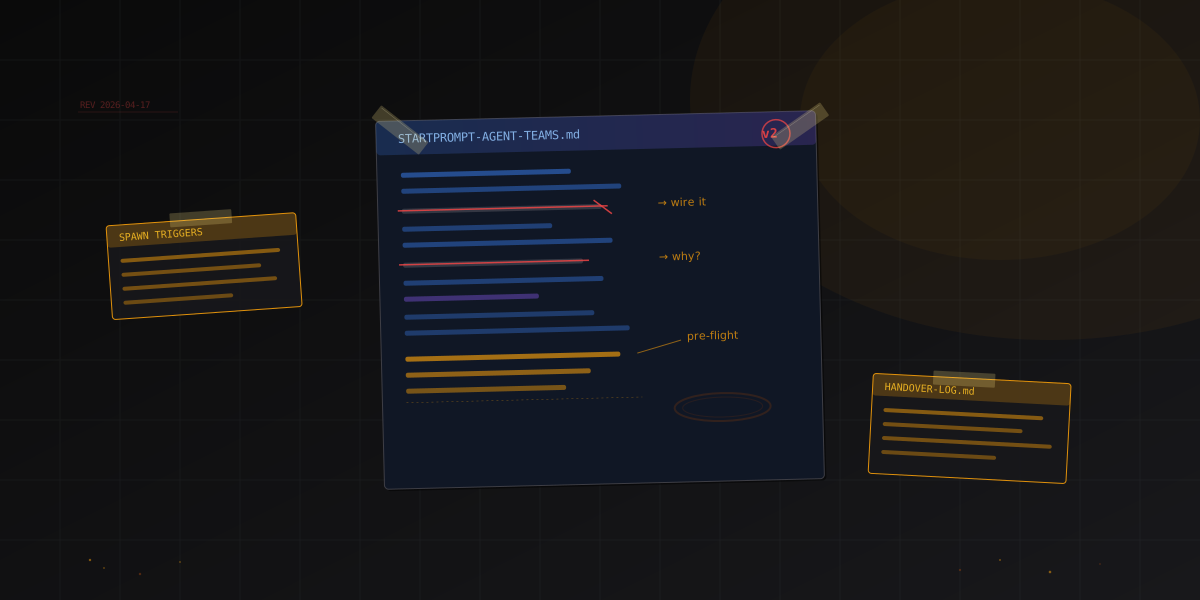
Two months of running the agent-team starter prompt taught me which rules actually hold. The ones wired into tooling survived. The ones that only lived in prose were the first to e...
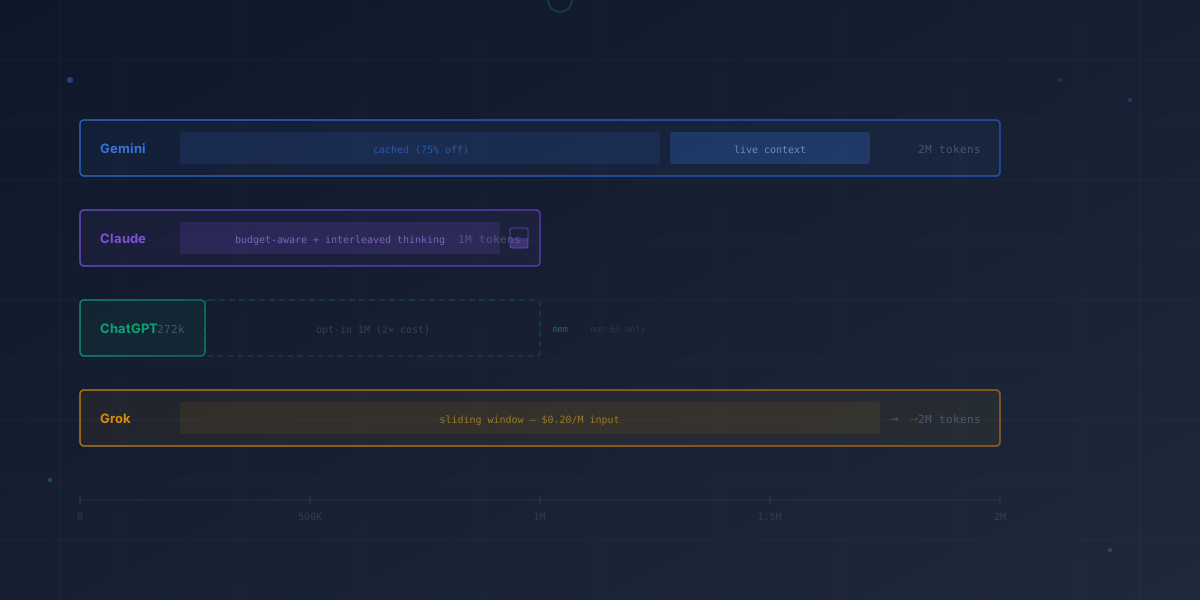
I've spent months building context management patterns by hand. Here's how the four major platforms are solving the same problems at the infrastructure level, and what it means for...
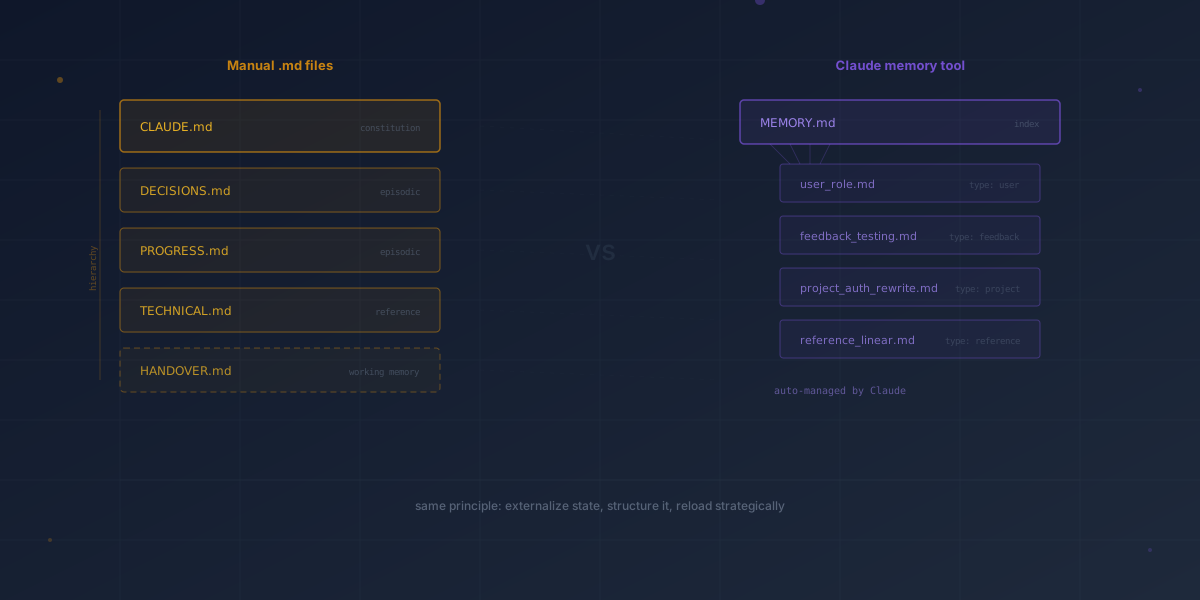
Anthropic shipped a memory tool that looks structurally identical to the markdown files I've been maintaining by hand. Here's what each approach gets right, where they diverge, and...

I've been writing about context management at the individual and team level. This post zooms out: if context is the real bottleneck in AI, who owns it across an organization, and w...

We've been solving the 'too complex for one person' problem for decades in program delivery. Now some team members are language models, and the coordination overhead is measured in...

Six years ago I helped a CPG company design a smart meal planner. We never shipped it. This year my wife and I built it, and we use it every week.
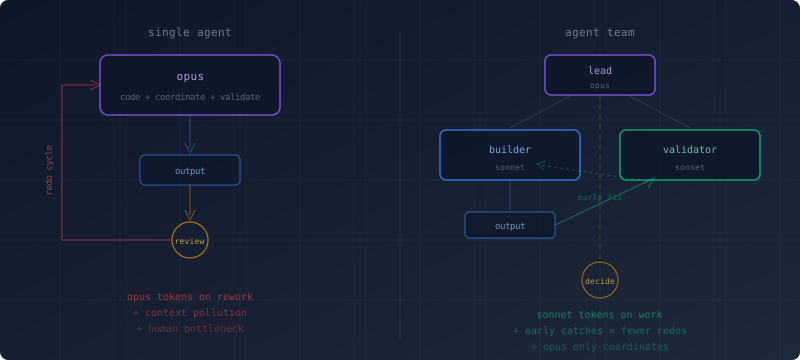
Running three AI agents sounds expensive. It is cheaper than running one, if you put the right model in each role.
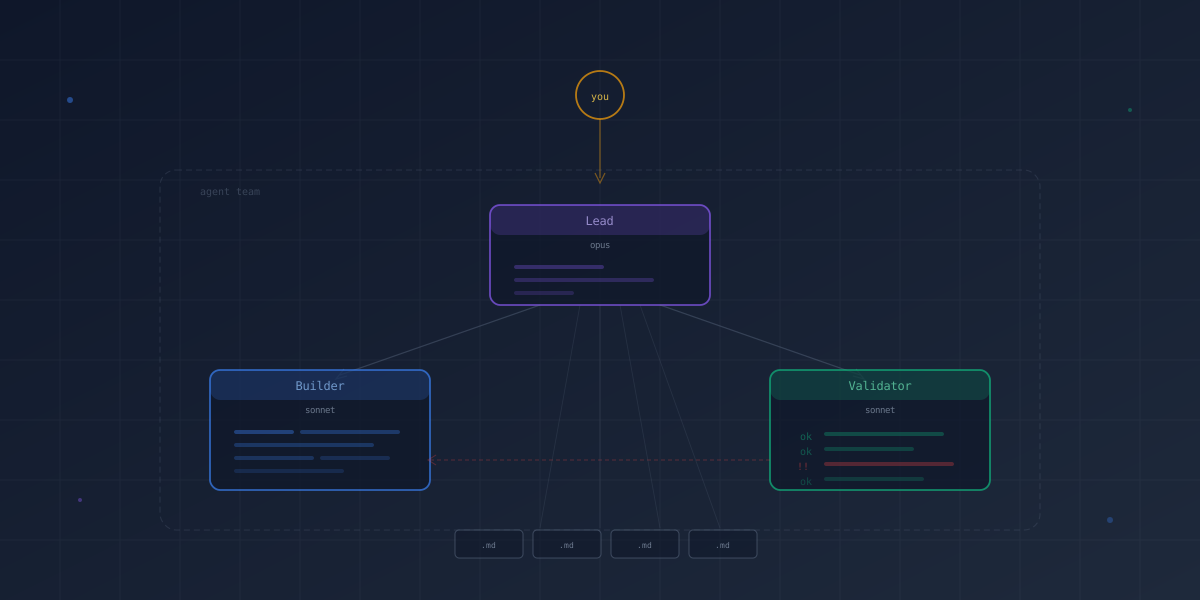
Splitting a single AI agent into a team changed more than the workflow. It changed how context flows through the whole system.